Guide - Turning Adventure Series into Reader Machine
C:\Users\User\OneDrive\test\מסמכים\Downloads\openart-image_6vEcf6DW_1769155967605_raw (2).jpg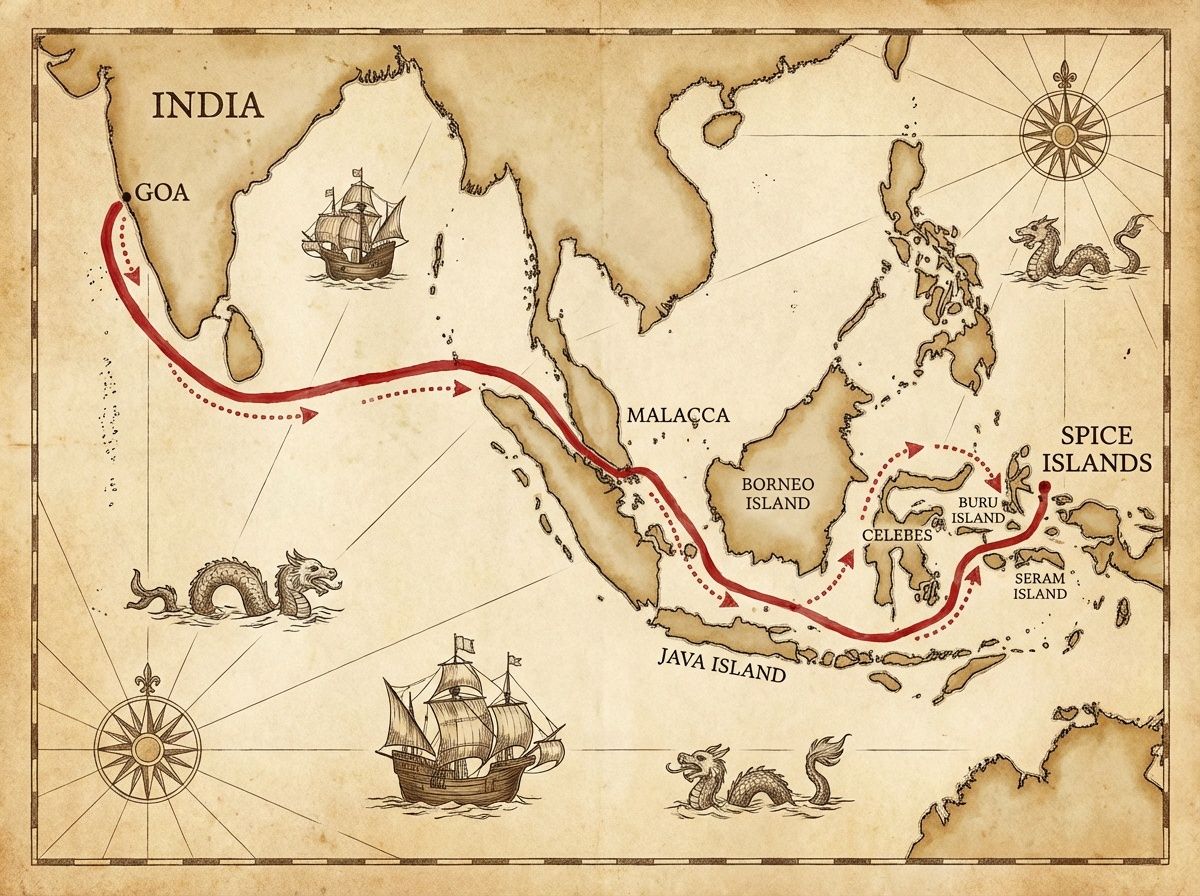
The route of Dan’s Eastern Seas Voyage
Guide 3 - Turning Adventure Series into Reader MachinesHow to Build Fiction Series That Create Loyal Readers and Long-Term SalesAuthor: Zvi RozenblitCopyright © 2026 Zvi Rozenblit
All rights reserved.No part of this book may be reproduced, stored, or transmitted in any form without written permission from the author, except for brief quotations in reviews.This book is for educational purposes only. Results may vary depending on effort, genre, and consistency. Author IntroductionMy name is Zvi Rozenblit.
I am an independent author with more than 150 published books, spanning adventure fiction, historical novels, survival guides, and educational content for young readers and adults.Like many authors, I learned the hard way that writing a good book is not enough.Over the years, I tested nearly every promotion method available: free promotions, paid promotions, Amazon systems, direct sales, catalogs, websites, and courses. Some worked. Many didn’t.This book is not based on theory or trends. It is based on experience, mistakes, and systems that proved reliable over time.I wrote this guide for authors who want clarity instead of confusion, and readers instead of noise. Guide IntroductionMany adventure books fail not because they are boring —
but because they stand alone.Readers love adventure.
They love danger, discovery, heroes, and distant places.What they love even more is continuity.This guide shows how to turn an adventure series into reader's machines —
a system where one book naturally leads to the next, creating momentum, loyalty, and long-term income.This is not about tricks or hype.
It is about structure.If you write adventure fiction — for children, teens, or adults — this guide will help you design series that:Keep readers readingEncourage reviewsMultiply sales without extra promotionGrow stronger with every new booTable of Contents
MODULE 1 — Why Adventure Series Outsell Standalone Books
Adventure readers crave familiarity and novelty.They want:
- A known hero
- A trusted tone
- A new danger
Standalone books force readers to decide again.
Series remove friction.Example:
A reader who enjoyed Dan the Boy Flyer already trusts the next adventure — no convincing needed.Teaching point:
Series reduces decision-making. Reduced decisions increase sales.MODULE 2 — What Makes Adventure Readers Different
Adventure readers:
- Read fast
- Read emotionally
- Read for escape
They are less interested in literary perfection and more in movement.
Example:
A slow philosophical chapter early in an adventure book causes drop-off.Teaching point:
Adventure series succeed by maintaining momentum across books, not by deep introspection.MODULE 3 — Choosing the Right Adventure Spine Every strong adventure series has a spine:
- A mission
- A journey
- A destiny
- A long voyage
Examples of spines:
- Exploring unknown lands
- Escaping danger repeatedly
- Protecting something valuable
- Traveling through time or space
Teaching point:
The spine must be broad enough to support many books.MODULE 4 — Designing a Hero Readers Follow Long-Term
Adventure heroes must be:
- Capable
- Curious
- Brave, but not perfect
Readers follow growth, not perfection.Example:
Dan matures from book to book, learning leadership, navigation, and diplomacy.Teaching point:
A hero who grows gives readers a reason to continue.MODULE 5 — Episodic Adventures Inside a Bigger Journey Each book must:
- Feel complete
- Solve one problem
- Introduce the next challenge
Example:
Book 1: Survive the storm
Book 2: Face pirates
Book 3: Navigate unknown islandsTeaching point:
Each book is an episode — the series is the journey.MODULE 6 — Locations as a Series Engine
Adventure series thrive on place.Each new:
- Island
- Jungle
- Sea
- Civilization
…becomes a reason for another book.Example:
Indian Ocean → Spice Islands → Philippines → New GuineaTeaching point:
Geography can generate infinite story fuel.MODULE 7 — Ending Books the Right Way
Never end with:
- Total closure
- “Everything is resolved forever”
Instead, end with:
- A new question
- A new destination
- A new threat
Example:
“The charts showed lands further east…”Teaching point:
Curiosity is stronger than cliffhangers.MODULE 8 — Titles That Signal Continuation
Adventure series titles should:
- Share a naming pattern
- Signal genre instantly
- Promise movement
Examples:
- Voyage to…
- Perilous Passage…
- Secrets of…
Teaching point:
Consistent titles train readers to recognize your books.MODULE 9 — Covers That Work as a Set
Series covers should:
- Look related
- Share fonts, colors, layouts
- Signal adventure at thumbnail size
Teaching point:
Readers must recognize the series before reading the title.MODULE 10 — Book Length and Rhythm
Adventure readers prefer:
- Medium-length books
- Clean chapters
- Fast openings
Example:
Starting with danger instead of background history.Teaching point:
Speed keeps readers loyal.MODULE 11 — Series Descriptions That Sell the Journey
A series description should answer:
- What kind of adventure?
- Who is it for?
- Why continue reading?
Example:
“Follow Dan across oceans and centuries…”Teaching point:
Sell the journey, not just the first book.MODULE 12 — Back Matter That Converts Readers
End each book with:
- A short teaser
- A clear next-book pointer
Example:
“In the next adventure, the flotilla enters hostile waters…”Teaching point:
Never let a reader finish without direction.MODULE 13 — Publishing Pace Matters More Than Perfection
Adventure series reward:
- Consistency
- Predictability
- Output
Teaching point:
Readers forgive imperfection but abandon silence.MODULE 14 — Using Series to Reduce Promotion Effort
With a strong series:
- Ads get cheaper
- Reviews compound
- Readers market for you
Teaching point:
Series are promotion systems.MODULE 15 — Turning One Series into a Catalog
One successful series leads to:
- Spin-offs
- Related worlds
- Companion guides
Example:
Dan → Paul → other flyers → survival guidesTeaching point:
Catalogs grow organically from strong series.MODULE 16 — The Adventure Series Machine A reader machine consists of:
- Clear series identity
- Consistent delivery
- Structured continuation
Once built, it works quietly.Final teaching point:
Adventure series don’t need noise.
They need structure.ConclusionAdventure readers want to continue.
Your job is to make continuation easy.When done correctly:
- One reader becomes many sales
- One series becomes an engine
- One book builds the next
That is how adventure series turn into reader machines.